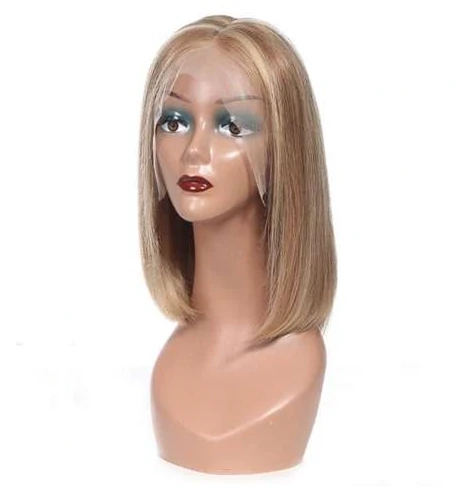
Wig Grip vs Silicone Band for Edges
Two years ago I watched my own hairline thin out in real time, and the culprit was never the wig itself — it was a tight band and a careless takedown. The short answer on how to protect edges under a wig: keep tension off the hairline, keep adhesive off the baby hairs, and never peel a unit before the bond is fully released. Understanding how glueless lace front wig installs spread pressure across an adjustable band instead of a glued hairline turns edge loss from bad luck into a mechanical problem you can actually solve.
Table of Content
Why Do Wig Edges Thin Out
Tension, friction, and traction loss
Your edges are the finest, most fragile strands on your head, with a shorter growth cycle and lower density than the rest of your scalp. Any repeated pull — a snug band, a comb pressed into the same spot, a cap rim riding the hairline — concentrates force on a few hundred follicles. Dermatologists call the result traction alopecia, and it is usually reversible only when you catch it early.
Friction is the quieter half of the problem. Lace, velvet, silicone and mesh all grab fine hair differently, and every shift of a loose unit drags strands across the fabric. That is why a slightly-too-big wig can do more damage than a snug one. The harm is cumulative rather than dramatic, which is exactly why most wearers notice it months late.
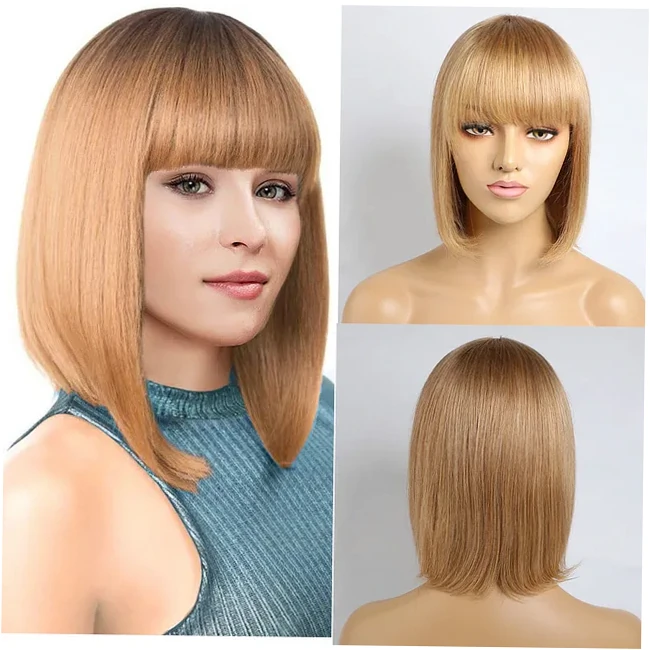
What changes with a glueless install
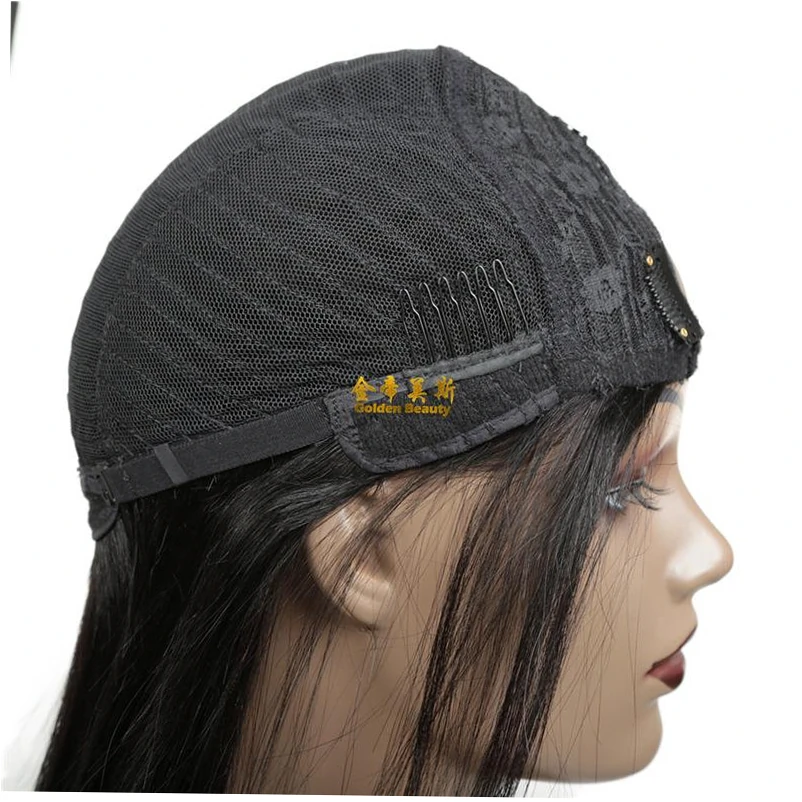
Adhesive-free systems move the load to an elastic band, adjustable straps or a grip, so the hairline stops carrying the bond. That is a genuine structural advantage — but only if the band sits behind your natural hairline rather than on top of it. Place it forward and you have recreated the same pressure point with none of the glue.
The trade-off is that glueless units rely on fit and friction instead of chemistry. A band that is slightly loose will slide, and sliding means rubbing. That is why sizing, strap adjustment and band placement deserve more attention than the lace quality itself when your goal is protecting a delicate hairline over months rather than days.
| Zone | Glued lace install | Glueless band install |
|---|---|---|
| Front hairline | Adhesive anchored on baby hairs; removal pulls strands | Band sits 1–2 cm behind hairline |
| Temples | Common friction and peeling hotspot | Adjustable straps reduce side tension |
| Nape | Minimal load | Grip or band can concentrate pressure here |
| Takedown | Solvent plus patience required | Lift-off, no solvent needed |
| Mid-day adjustment | Nearly impossible once set | Can be re-seated without adhesive |
How to Protect Edges Under a Wig
Prep the hairline before anything touches it
Slick your bio hair back with a light gel or a spritz of hairspray, then braid or flatten it so nothing bunches under the cap. Skip heavy oils at the hairline on install day if you plan to melt lace, because oil is exactly what makes a bond slide. Keep product on the hair shaft, not the skin.
If your hairline is already sensitive, build a barrier. A thin layer of hair oil along the very edge stops adhesive from grabbing skin and strands, and it makes takedown dramatically gentler. Long-term wearers describe the difference as night and day: the unit releases cleanly instead of tugging, and fewer strands end up on the lace.
Caps, grips and bands: what sits where
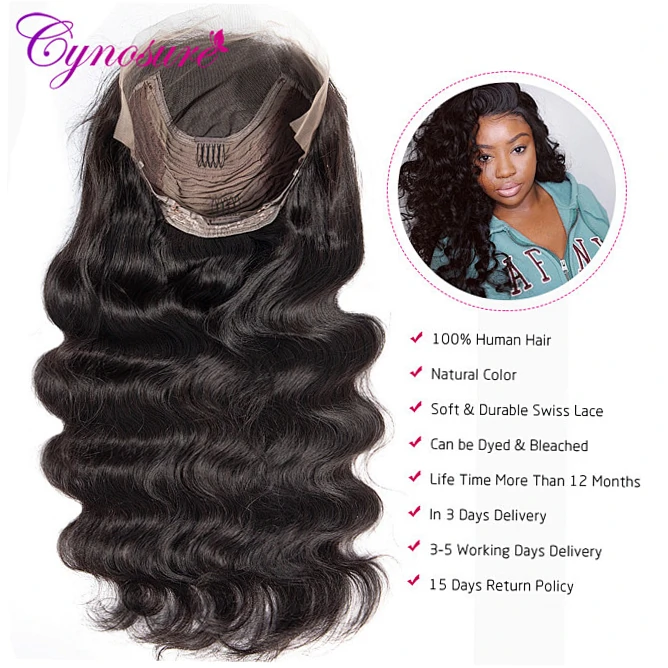
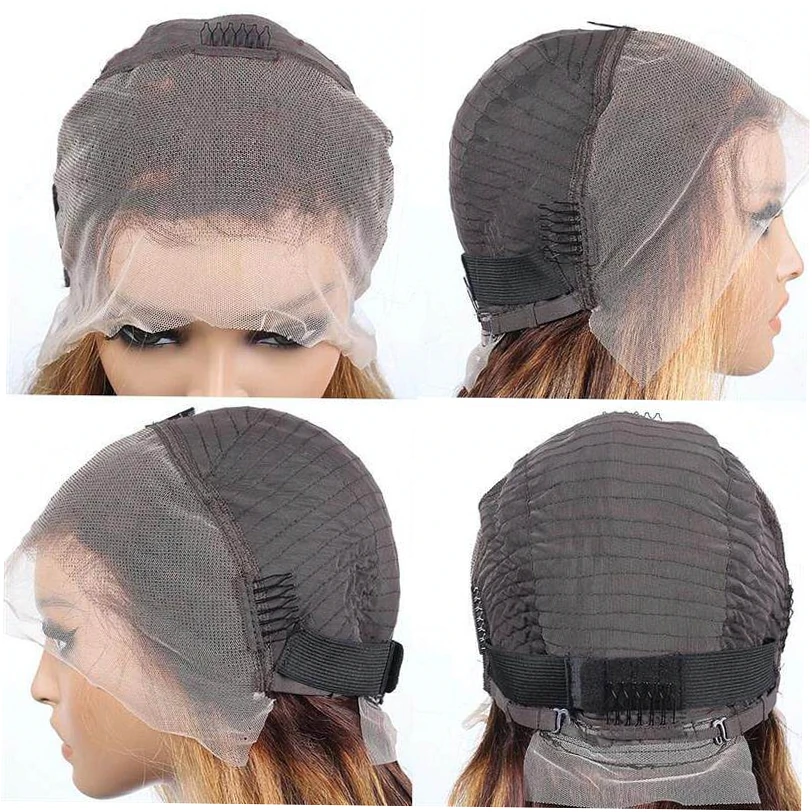
A wig cap should contain your hair, not squeeze your hairline. Pull it down over your head, then ease the front rim back a centimetre or two so the elastic is not resting on your finest hair. The cap exists to keep bio hair tidy; it is not a grip, and treating it like one is where sore temples come from.
If your unit still shifts, fix the fit instead of adding pressure. Learning to keep a wig on securely usually comes down to adjustable straps, a correctly seated band and lace that is melted rather than glued — none of which require clamping your hairline. A wig that must be tight to stay put is simply the wrong size.

Takedown is where most damage happens
Never lift the front to scratch an itch and press it back down. Each lift-and-reset drags lace across fine hair, and where adhesive is involved it takes strands with it. If something itches, tap through the lace or wait until you are home. Patience during wear prevents most of the thinning people blame on the wig.
At night, release before you pull. Work a little oil or warm water along the lace line, let it sit a minute, then peel from one side slowly. Never yank the unit straight up off your head. If one area resists, add more oil and wait — ripping through resistance is the most common cause of a bald patch at the hairline.

Which Wig Cap Setup Is Safest?
Wig grip vs silicone band vs bare scalp
Wig grips are genuinely polarising. Some wearers call them a game changer for glueless units because velvet grips hair without any adhesive; others report thinning along the band line after months of daily wear. Honestly, grips suit short sessions and looser units, and suit sensitive hairlines poorly.
Silicone bands sit further back and spread pressure more evenly, which makes them the safer default for all-day wear. A plain stretch cap with no grip is the lowest-friction option if your unit fits properly. Whatever you choose, check the mirror after two hours: a red line across the hairline is a pressure warning, not a styling success.
| Accessory | Hold | Edge friction | Best use case |
|---|---|---|---|
| Velvet wig grip | Strong | High along hairline | Short wear, loose units |
| Silicone band | Moderate to strong | Low, sits behind hairline | All-day glueless wear |
| Plain stretch cap | Low | Low | Well-fitted units |
| Sewn-in wig clips | Strong | High, metal teeth | Occasional wear only |
| Styling spray on bio hair | Moderate | Medium, buildup risk | Short events |
Why fit beats every accessory
No accessory rescues a badly sized unit. If the circumference is too small, the band must stretch, and that stretch pulls forward into your temples all day. Measure your head properly, then buy for that number — a proper glueless frontal wig with adjustable straps protects more than any grip-and-cap stack layered onto the wrong size.
Weight matters as much as circumference. Dense, hip-length units drag backward, the front edge lifts, and you tighten the strap to compensate — the exact loop that ruins hairlines. A lighter density or shorter length removes the need for that tension. If you love long hair, ask for lower density rather than a tighter band.
Biggest Edge-Loss Mistakes and Myths
The glue-on-your-hairline trap
Gluing lace directly over baby hairs is the classic own goal. Hairspray and gel-based styling products are not literally glue, but they still create a bond strong enough to rip strands out when the lace lifts. The fix is simple: place lace just in front of the hairline, or go glueless and keep adhesive entirely off the hair.
Removal products matter too. Water-soluble styling sprays rinse out with a damp cloth; true wig adhesive needs a proper solvent and patience, never scraping. Many long-term wearers say their only real hair loss came from impatience at the end of a long night rather than from the wig itself — a tiny habit with a large consequence.
Myth: a tighter wig stays put better
A tight wig feels secure for about an hour, then announces itself as a headache, a red band across the forehead or a sore temple. Security comes from surface contact and band placement, not clamping force. If your unit slips, the answer is a grip, a band, melted lace or a smaller size — not another centimetre of strap.
Costly assumptions about caps and sprays
Two claims surface constantly in wig communities, and both deserve a reality check. First, that a cap is mandatory — for many wearers with short or slicked hair, it simply is not. Second, that any spray marketed as gentle is safe on the hairline. The table below contrasts the marketing line with what wearers actually report.
| Claim | What is advertised | What wearers report | Practical takeaway |
|---|---|---|---|
| Caps protect the hairline | Containment and cushioning | Forward-sitting rims press on fine hair; some get headaches | Push the rim back 1–2 cm |
| Grips stop slipping without damage | Velvet grip, no adhesive | Helpful for some, friction thinning for others | Short wear only; watch for red lines |
| Glueless means zero tension | No adhesive at all | Band still fits snugly; wrong size presses temples | Measure and buy for fit |
| Styling spray is harmless | Water-soluble, brushable | Buildup plus strand loss when lace lifts dry | Release with oil or water first |
| Oil on edges blocks adhesive | Barrier trick | Works for many; weakens bonds if overdone | Thin layer on skin, not lace |
Signs you should pause wig wear
Take a break if you see a widening temple part, a smooth patch that has not regrown in eight weeks, tenderness when you touch the hairline, or tiny bumps along the band line. Those are not styling problems. A dermatologist can separate traction alopecia from other causes, and early treatment — often topical minoxidil — has a far better success rate than waiting it out.
Build a 30-Day Edge Recovery Plan
Daily habits that let follicles rest
For four weeks, cap wear at eight hours a day and go fully glueless. Loosen the strap one notch, skip the grip, and push the cap rim back. Massage the hairline for two minutes each night with a light oil, and keep heat and tight ponytails away. Photograph the area weekly in the same light so progress is measurable rather than imagined.
Sleep is part of the protocol. Satin pillowcases reduce drag if you occasionally sleep in a bonnet, and sliding a unit off before bed removes hours of low-grade pressure. It is unglamorous advice, but the wearers who recover fastest are almost always the ones who gave the hairline eight uninterrupted hours a day of nothing touching it.
Products and professional help that work
Topical minoxidil is the only over-the-counter ingredient with consistent clinical support for regrowth, and it takes three to six months to show results. Derma rollers appear in countless threads, but evidence is thinner and irritation risk is real, so sterilise and use sparingly. Pair any treatment with consistent protective style maintenance — habits matter more than bottles.
Set a review date at the twelve-week mark. If there is no new growth, or the patch has enlarged, book a dermatologist or trichologist instead of buying another serum. Be honest about whether full wigs still suit daily life, too: some wearers switch to half wigs or U-part units for a season so the front hairline can recover without giving up the look entirely.
Edge Protection Questions Answered
Can I wear a wig every day without losing my edges?
Yes, with conditions. Daily wear is usually fine when the unit fits, the band sits behind the hairline, and adhesive is released before lifting. Wearers who lose hair almost always share one of three habits: a size that is too small, a grip pressed onto fine hair, or impatient removal. Fix those and daily wear stops being a trade-off.
Is a wig grip or a wig cap gentler on the hairline?
Neither is automatically gentler. A plain cap is lower friction but offers less hold; a velvet grip holds better but can rub the same strip of hairline all day. For long wear, a silicone band positioned behind the hairline is the compromise most people tolerate best. Check for a red line after two hours and adjust from there.
Does placing the lace in front of your hairline actually work?
It does, and it is the single most effective habit change. Laying lace just forward of the natural hairline means adhesive and removal force land on forehead skin rather than baby hairs. The trade-off is a slightly higher hairline than some people want, so many wearers alternate between forward placement and completely adhesive-free days.
How long do edges take to grow back after wig damage?
Early traction alopecia often responds within three to six months once tension stops, because the follicle is irritated rather than destroyed. If a patch looks smooth and shiny and is unchanged after eight to twelve weeks of total rest, scarring may be involved and a dermatologist should assess it. Timelines vary widely and no product guarantees a fixed date.
Do cheap wig caps cause temple pain?
Sometimes, yes. Thin elastic rims on inexpensive caps concentrate pressure on a narrow band, and if that band sits on your hairline you will feel it by mid-afternoon. The cap is rarely the real villain, though — a unit that is too small forces you to pull the cap forward, and that is what creates the pressure.
Can derma rolling regrow hair at the hairline?
Evidence for microneedling mostly concerns other forms of hair loss, and it carries genuine irritation risk on delicate skin. If you try it, use a short needle length, sterilise properly, and never roll over broken skin. It should never replace the basics: less tension, correct fit and a real break from adhesive.
What if I have alopecia or very little bio hair?
With minimal bio hair there is nothing to tuck, so caps slide and grips have nothing to grip. Many wearers in that situation skip both and rely on a snug, well-measured band plus melted lace. A barrier film or light oil still helps at takedown, and a specialist wig fitter can adjust straps for a genuinely low-tension fit.