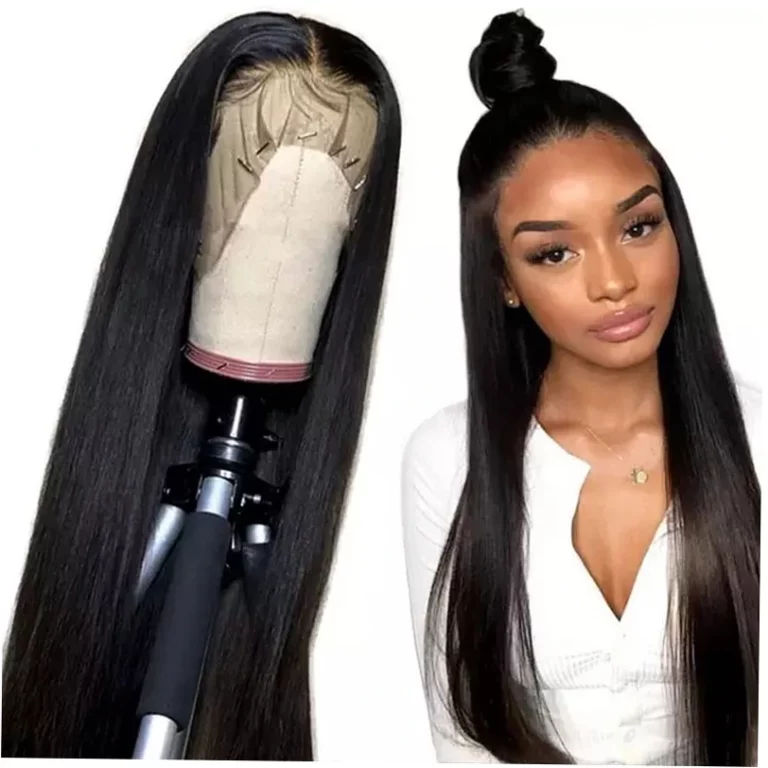
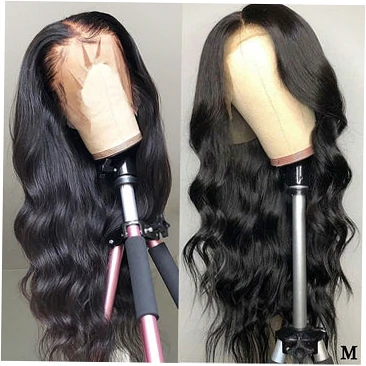
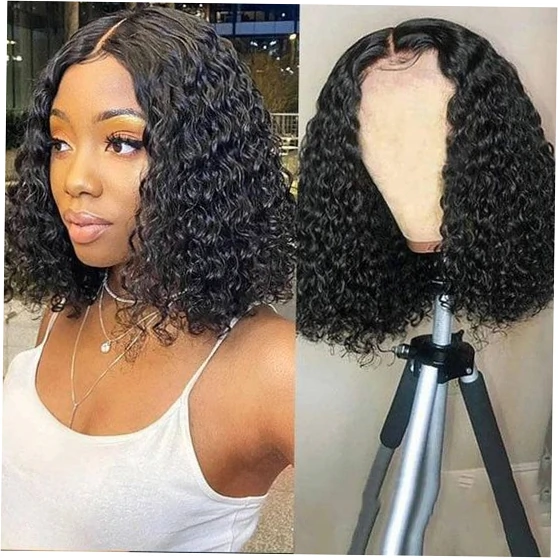
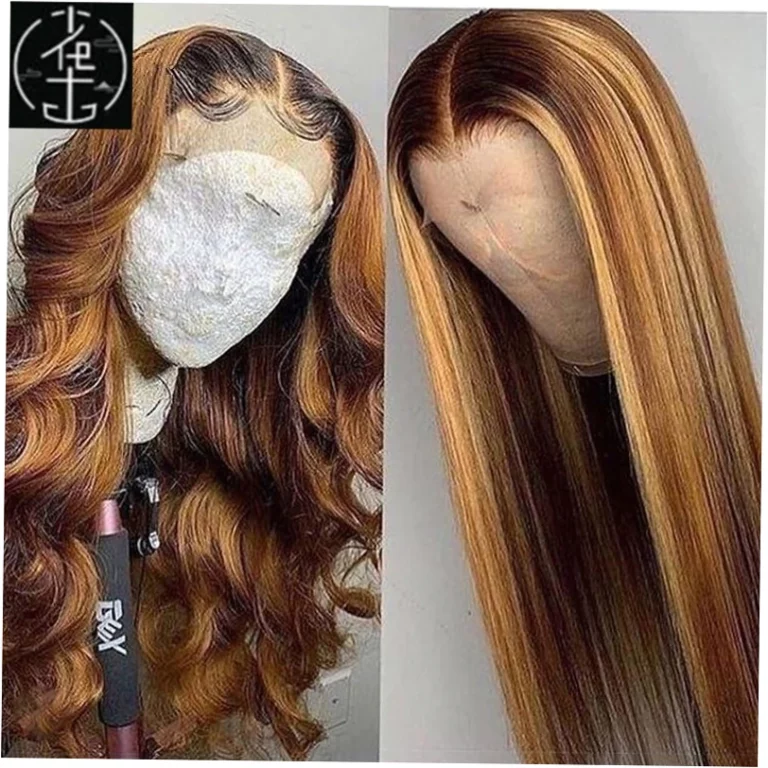
What Lace Frontal Baby Hair Really Does
I finally nailed how to do baby hair on a lace frontal after three installs I would rather forget, and the honest answer is less product, thinner sections, and a hairline prepared before the lace ever touches your skin. Nobody gets a believable edge by adding more gel; you get it by adding structure and then leaving it alone.
Table of Content
Baby hair only reads as natural when the base underneath is already flat, so settle your install method first. My full walkthrough of glueless lace front wigs install explains how to get that foundation smooth, and it is worth reading before you pick up a spoolie.

What Lace Frontal Baby Hair Really Does
Swoops Versus Natural Wisps
Baby hair is not decoration, it is a transition zone: short strands soften the hard line where mesh meets skin and quietly cover small gaps in your hairline. When I started, I assumed every edge needed a perfect S-curl. The frontals that fooled me most used sparse, uneven wisps that simply followed the wearer’s own hairline shape.
Treat it as camouflage, not styling. Two or three thin strands at the temple and beside the part break the geometric edge that gives a wig away, while dense uniform swoops pull attention straight to the hairline. Slightly messy reads as real, over-styled reads as a costume, and that is why I now pull out far less hair than I did in year one.
Tools That Genuinely Matter
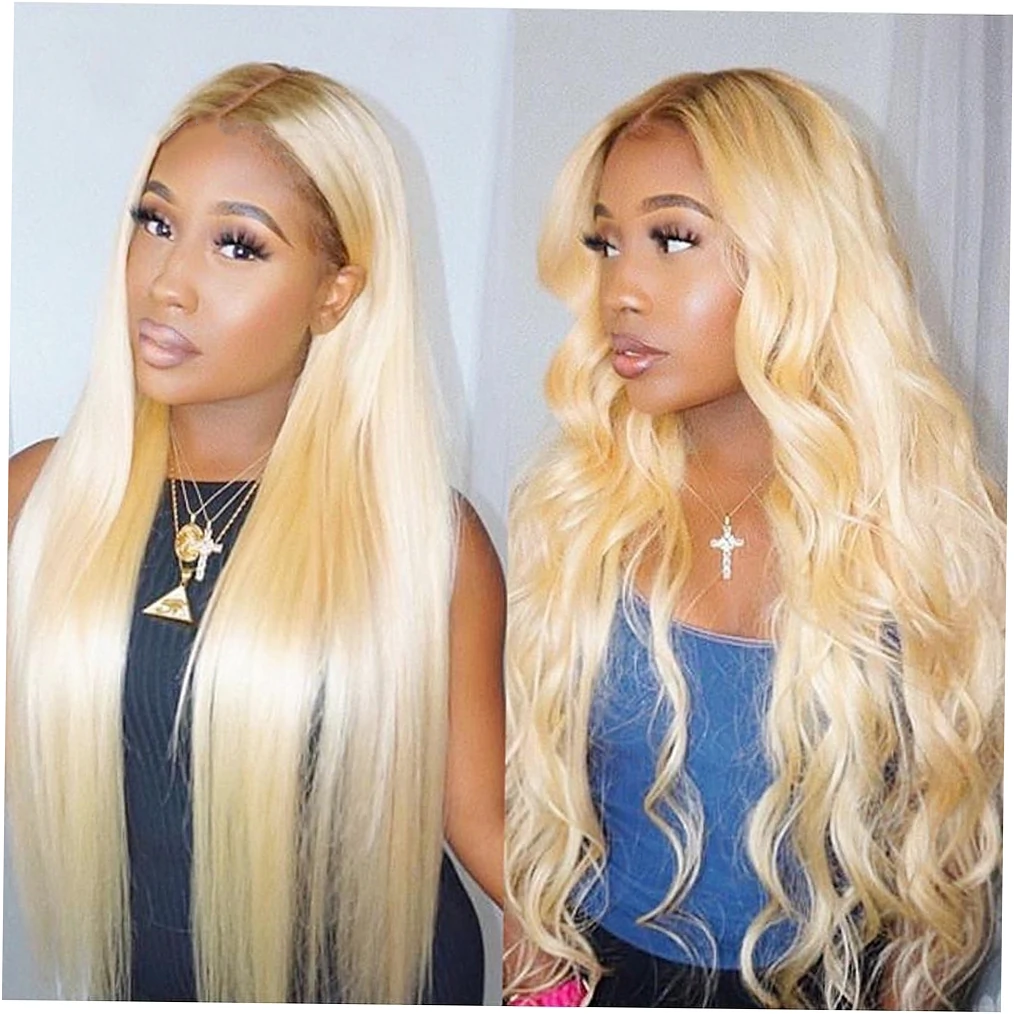
You need surprisingly little: a rat-tail comb for sectioning, a soft boar-bristle brush, a fine mist spray bottle, a wax stick or edge gel, and a silk scarf. The sleeper hero is a spoolie brush, a genuine community favorite for coaxing short strands into place without flooding them with product. Everything else is optional.
Keep heavy oils away from the mesh. Oils creep under lace and either dissolve adhesive or let a glueless grip slide, and they weigh fine strands down until they hang flat. Water-based, flexible-hold products keep the front edge crisp and still let you restyle the next morning. If your wisps dry into crunchy spikes, that is a dosage problem, not a product problem.
How to Do Lace Frontal Baby Hair
Prep, Pluck, and Lay the Lace
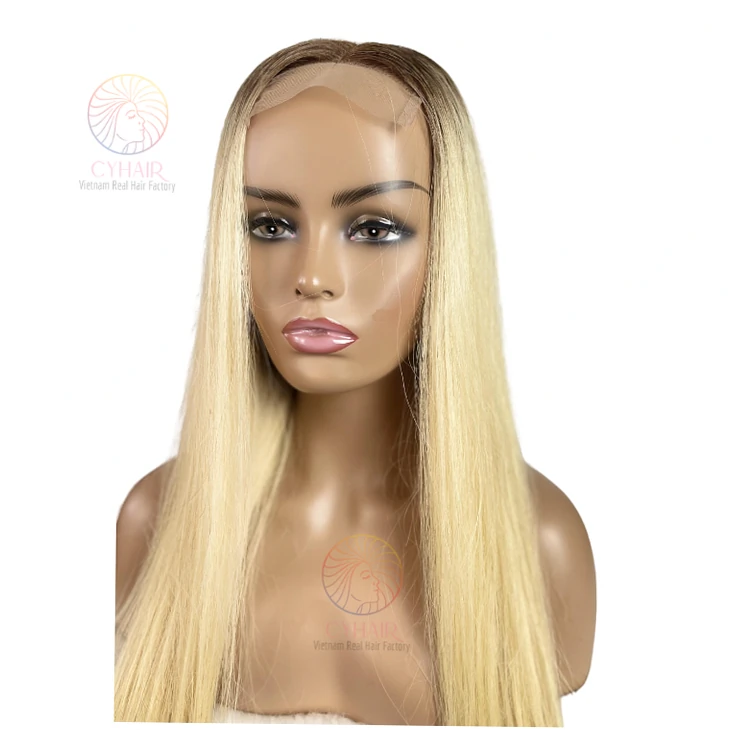
Begin with clean, dry skin and a frontal trimmed to your natural hairline: trim a little, test the fit, then trim again, because lace cut too short cannot be grown back. Pluck the front edge sparingly in daylight. Thin, irregular gaps imitate scalp, while an evenly spaced row of holes looks like a dot-to-dot puzzle.
Once the lace is seated, mist the front lightly, brush the baby hairs flat and slightly back, then tie your scarf. This single habit stops random strands from getting sealed under the mesh, which is the most common reason a brand-new install looks lumpy at the part. Ten minutes of patience here saves an hour of fixing later.

Molding the Swoops
Section a one-to-two-centimetre band along the hairline and work in pieces no wider than a pencil. Decide direction before product: swept toward the ear at the temples, straight down near the part. Apply a trace of gel with a spoolie, then shape using the back of a comb rather than your fingertips.
Press the finished edge under a silk scarf for ten to fifteen minutes. A blow dryer on low, held well back and kept moving, sets the shape faster without puckering the lace. Finish with a light flexible hairspray, then leave the swoops alone, because the more you touch them the fuzzier they get.
| Product | Hold | Finish | Best for | Watch out for |
|---|---|---|---|---|
| Edge-control gel | Strong, 8-12 hours | Glossy when fresh | Sculpted swoops, events | Flakes and stiffens if layered |
| Mousse | Light to medium | Soft, matte | Everyday wisps, fine hair | Does not tame coarse strands |
| Wax stick | Medium, reworkable | Satin | Temples and side edges | Buildup near the lace |
| Hairspray plus spoolie | Light, brushable | Dry and invisible | Refreshing day-old edges | Alcohol dries out real hair |
| Water only | Very light | Natural | Second-day reactivation | Short-lived on humid days |
Which Baby Hair Style Fits Your Frontal?
Swoops, Curls, or Straight Wisps
Round faces often look softer with a slight C-curl that follows the cheekbone, while longer or angular faces carry straight downward wisps beautifully. Curls add width, so keep them tiny and place them only at the temples. Straight swoops read more editorial and photograph well, but they show every lump in the lace beneath.
Occasion matters as much as face shape. A slicked sculpted edge suits a wedding or a shoot; a couple of loose strands is what you want for the office, because heavy edge control under fluorescent light looks wet rather than natural. Match the density to the room, not to Instagram.
| Style | Flatters | Best occasion | Skill level |
|---|---|---|---|
| Deep S-curl swoop | Round and oval faces | Weddings, photos | Intermediate |
| Straight downward wisps | Long and angular faces | Office, daily wear | Beginner |
| Tiny temple curls | Heart-shaped faces | Parties, date nights | Advanced |
| Wispy pulled-back line | Any face, high foreheads | Gym, errands, travel | Beginner |
Glueless Installs and Wear-and-Go Days
If you wear a stretch-band or glueless unit, baby hair does double duty: it hides the front seam and gives you something to style when the rest of the hair is clipped up. A well-made glueless frontal wig with a pre-plucked hairline shortens this whole routine to about eight minutes, scarf time included.
Human hair behaves far better than synthetic here, because you can wet-set a wisp and it actually stays. Aligned cuticles are the reason, and that is what separates a swoop that holds all day from one that springs back the moment you let go of the comb.
Mistakes That Ruin Lace Frontal Baby Hair
Over-Plucking and Over-Product
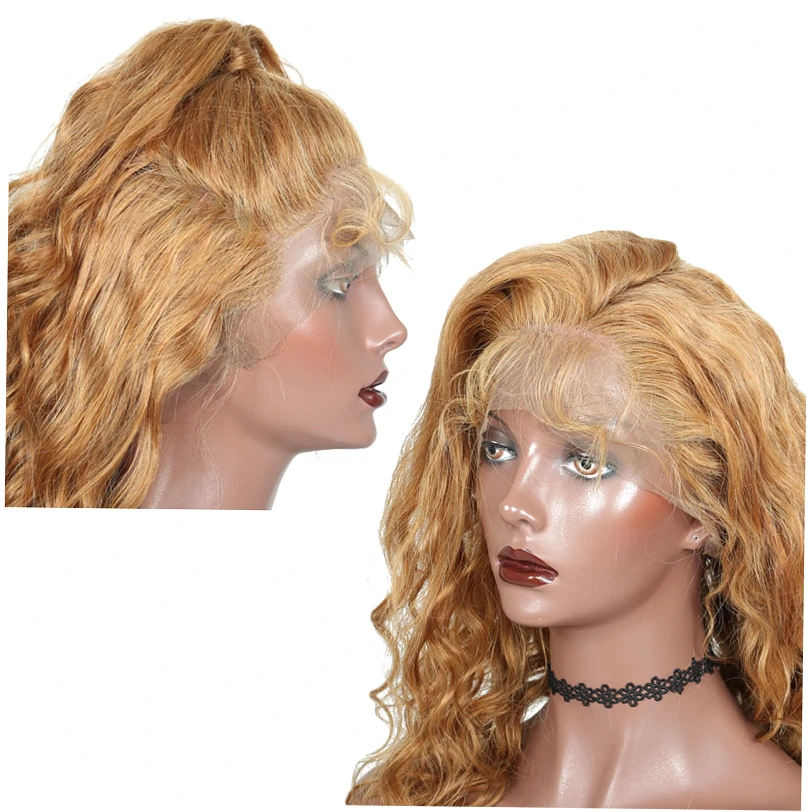
Two habits undo more installs than anything else: plucking until the hairline goes bald, and layering gel until the strands turn stiff. Pluck a few hairs, step back, check in daylight, and repeat only if you need to. On the product side, one thin pass with a spoolie beats three.
Lace trimmed too far forward also lifts, especially over hair you have not cleared. If your own fine hairs sit under the mesh, the lace cannot lie flat no matter how hard you press it. Clear that strip first, then trim, then lay. Order matters more than effort.

When Your Own Hairline Fights Back
A low temple hairline is the classic frustration: your natural wisps poke through the lace, and dragging the wig down to cover them looks strange. Experienced wearers split into two camps. Some shave or dermaplane a narrow strip at the temple so the lace can sit just past it. Others cut the lace right down at the sides and blend the wig’s own hair with their bio hair.
There is a third route: leave a little of your own hair out around the perimeter and wear the frontal behind it, which is the least invasive choice if the colours match. Whichever you pick, be honest about upkeep. Shaving needs attention every few days, blending needs a colour match, and plucking is permanent.
| Common claim | What real wearers experience |
|---|---|
| Lace disappears once baby hair is on top | Loose hairs under the mesh stop the lace lying flat; most people clear the strip first |
| More plucking equals a softer hairline | Over-plucking leaves bald patches; thin irregular gaps read as scalp |
| One pass of edge control lasts all day | Two or three thin passes hold longer and flake less by evening |
| Trim the lace as close as possible | Lace cut too short cannot be corrected, so leave a millimetre and test |
| Baby hairs should look uniform | Sparse uneven wisps look natural; identical swoops draw the eye |
| Tape removal is painless | Micellar water on the residue stops tape grabbing and tearing out bio hair |
Keeping Lace Frontal Baby Hair Fresh
Ninety-Second Morning Refresh
Mornings do not need a full redo. Mist the edge with water, comb the wisps with a spoolie in the direction they were set, and press with a warm palm or a scarf while you brush your teeth. That is it. Most of the crunch people complain about comes from stacking fresh gel on day-old product instead of reactivating what is already there.
At night, tie a silk scarf or pull on a satin bonnet so the swoops do not crush into the pillow. Once a week, wipe the front edge with micellar water on a cotton pad to lift residue, the same trick that stops adhesive from grabbing your own fine hairs during removal.
Choosing a Frontal That Forgives
Not every lace behaves the same. Finer, thinner mesh disappears faster and gives you more freedom with wisp placement, while heavier lace needs more coverage and more product to look convincing. Melting technique matters as much as styling, and the HD lace melted hairlines guide covers how to prep and blend the front so the mesh truly vanishes.
Before you buy, check hairline density, the plucking pattern, and the paperwork: a human-hair authenticity card, plus a GRA certificate for any gem-set pieces sold alongside the unit. Those documents tell you what the strands actually are and how they will respond to water and heat.
Start with one change this week: halve your product and section your wisps thinner than feels necessary. Photograph the result in daylight rather than ring light, then adjust from there. Once the front edge looks believable from your side profile, you have genuinely learned how to do baby hair on a lace frontal.
Lace Frontal Baby Hair Questions I Hear Most
Can you add baby hair to a lace frontal that does not have any?
You can, within limits. Pull a very thin band of hair forward from the first centimetre of the hairline, trim it to about two centimetres, and set it with a spoolie and light gel. If the unit was never plucked, thin that band first, otherwise the strands come out too thick and look pasted on.
How do I stop baby hair from looking crunchy?
Almost always it is too much product. Use a trace of gel on a spoolie rather than your fingers, let it dry without touching, and reactivate with water the next day instead of adding more. A flexible hairspray mist at the end gives hold without the hard shell.
Do I have to pluck the hairline before styling baby hair?
Not necessarily, but plucking changes the result. A dense, straight-cut hairline gives you thick, blunt wisps that read as fake. A few irregular gaps create the illusion of scalp between strands, which is what makes short wisps look like they grew there.
Is gel or wax better for laying baby hairs on a glueless frontal?
Gel for sculpted swoops you want to see, wax for temples and side edges where you want a satin finish you can rework later. Neither belongs directly on the mesh, so apply from the mid-shaft outward and wipe any overspill immediately with a dry cotton bud.
How long do styled baby hairs actually last?
With a scarf at night and a water refresh each morning, expect three to five days before you need to redo them. Heat and humidity shorten that. Units with a lace front sitting over skin rather than hair last longest, because there is nothing underneath to push the mesh upward.
Will styling baby hair damage a human hair frontal?
Less than people fear, if you avoid two things: alcohol-heavy sprays sitting on the same spot daily, and tugging wet strands. Human hair tolerates water and low heat well. Repeated dry brushing over the lace edge is what causes frizz and thinning over several months.
What if my natural hairline sits lower than the wig’s?
You have three realistic options: clear a narrow strip at the temple so the lace sits past your own wisps, cut the lace down at the sides and blend your hair with the unit, or leave some of your own hair out and wear the frontal behind it. Pulling the wig lower rarely looks right.