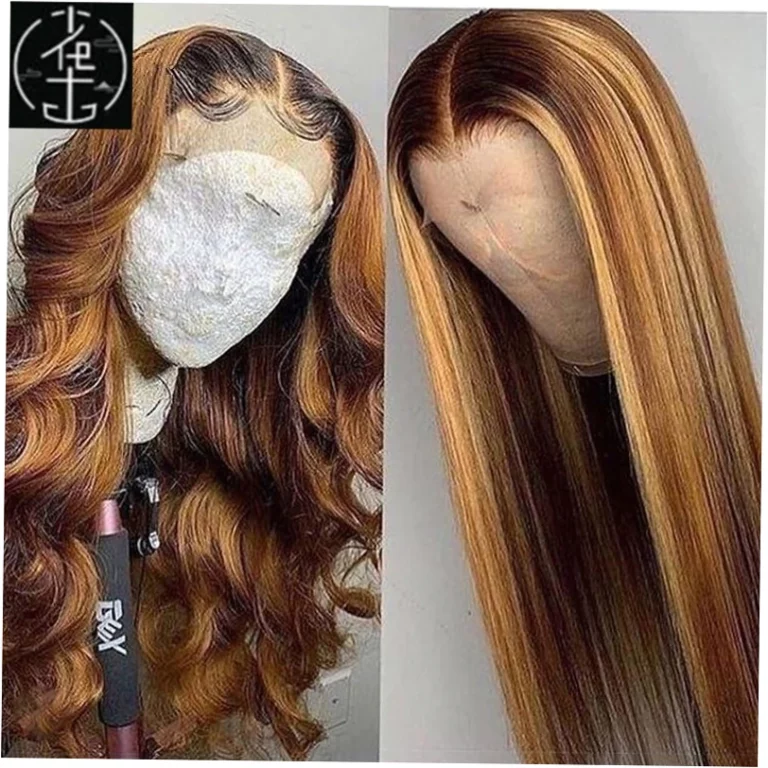
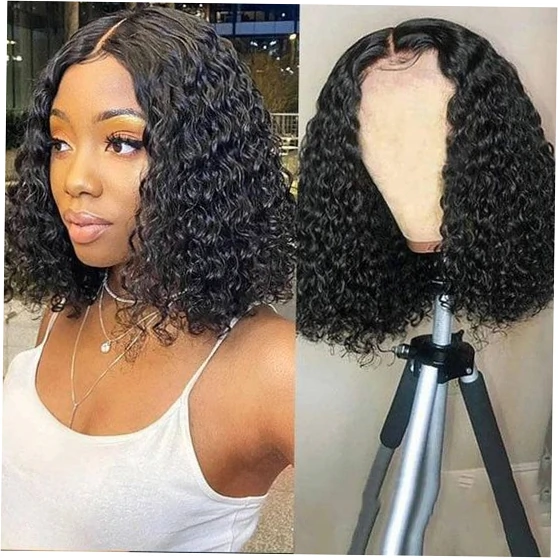
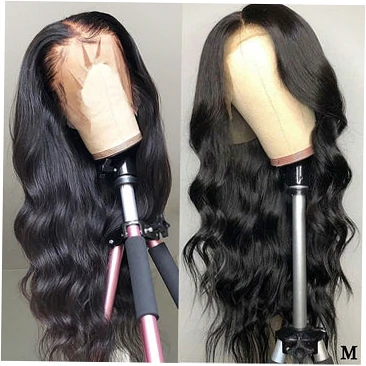
Why Transparent Lace Looks Fake on Pale Skin
After melting units on pale, olive, and deep skin tones, my blunt answer to hd lace vs transparent lace is this: HD disappears better, transparent survives longer, and neither is automatically invisible. If you are building a glue-free routine, start with the install sequence in my glueless lace front wigs install guide, then choose the mesh that matches your patience level rather than the marketing photo.
Table of Content
What Separates HD Lace From Transparent Lace?
Where the Two Meshes Actually Differ
HD lace is a finer-gauge mesh, typically woven from a low-denier filament that lies flatter against the scalp than standard net. Transparent lace is a Swiss-style mesh with a slightly heavier thread count and a neutral, untinted tone. Both are hand-knotted to a lace base, so the real difference comes down to thickness, melt speed, and how much tugging the base tolerates.
The clearest way I explain it to clients is film versus fabric. Most genuine HD material behaves like film: roughly ten to twenty denier, draping across the forehead instead of sitting on it. Standard transparent mesh behaves like light tulle; you can feel the grid between your fingers, and that grid is exactly what stops the hairline from ripping when you comb it.
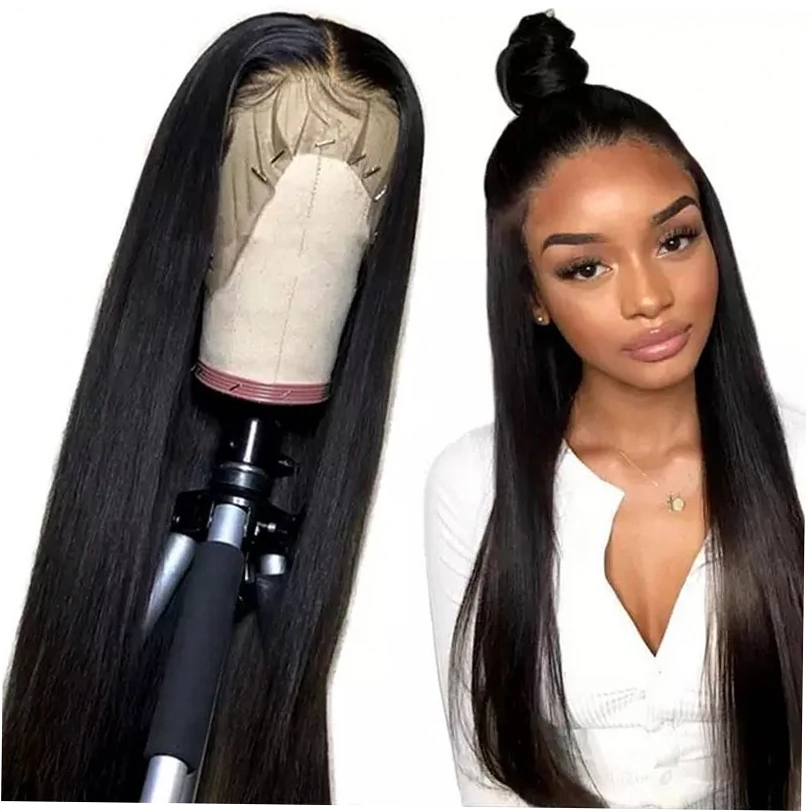
Why Transparent Doesn’t Mean Invisible
Transparent describes the absence of tint, not the absence of visibility. On very fair skin, an untinted transparent net can still read as a faint grey grid in daylight. Deep skin tones hit the opposite problem: the mesh needs a warm brown tint before it disappears. Neither case means the lace is faulty; it means nobody color-matched it to a scalp.
This is why I never promise a transparent frontal will vanish straight out of the bag. It is a starting canvas. Lace tint, scalp powder, or tinted mousse does most of the disappearing work, and the mesh only needs to be thin enough not to cast a shadow. HD simply begins closer to the finish line.
Skin Tone, Knot Bleach, and the Melt Test
Bleaching knots is where the two materials split hardest. Transparent lace gives you room to work: light bleach bath, tone, wash, done. Film-thin HD can weaken within minutes under the same treatment, so I use a very short contact bleach and stop early. Test on a spare corner first, every single time.
The melt test is simpler and tells you more than any product page. Lay both meshes on your forehead with nothing on them, then press. HD softens almost instantly, sometimes with a damp fingertip alone. Transparent needs a little lace spray or gel at the edge to fold into skin properly, which matters enormously when you install without adhesive.
| Property | HD (film) lace | Transparent lace |
|---|---|---|
| Mesh weight | Very fine, roughly 10 to 20 denier in genuine film lace | Medium Swiss-style net with a denser grid |
| How it melts | Softens with minimal product, sometimes a damp fingertip | Needs spray, gel, or tint to fold into the skin |
| Visibility on skin | Near-invisible on most tones once tinted correctly | Can show a faint grid on very fair or very deep skin |
| Tear resistance | Low; hairline and part are the weak points | Moderate; tolerates repeated handling |
| Knot bleaching | Risky, short contact only | More forgiving |
| Typical service life | Shorter, especially with frequent reinstalls | Longer under an identical care routine |
| Best suited to | Photo, event, and sensitive-hairline wear | Weekly reinstallers, beginners, long-term wear |
Which Lace Suits Your Skin Tone Best?
Fair Skin and the Grey-Cast Problem
Fair-skinned wearers get the worst of the marketing. Untinted transparent net can flash a cool grey cast across an entire forehead, and brown-tinted mesh is even less forgiving. Ask for undyed or light-beige lace and expect to tint it yourself with a foundation that matches your jaw, not your hand.
It stings to buy something labelled invisible and still see a grid, and that frustration is genuinely common. If you want mesh built for that finish, compare invisible HD lace wigs before settling for a heavier net that needs three layers of tint to cooperate.
Deep Skin Tones and Lace Tint Matching
Deeper complexions usually need warmth, not transparency. A neutral transparent net can look ashy against rich brown skin, while HD mesh tends to pick up the scalp tone sitting underneath it. Tint with a warm brown rather than black, and swatch along the hairline instead of the part, because black tint almost always reads as a hard line in daylight.
Cameras, Ring Lights, and Flash
Under phone flash and studio lighting, thin mesh wins outright. Film-thin HD catches light like skin does; standard transparent net can flare into a visible grid at the temples. If your unit is mostly for photos, events, or video, that single difference beats every styling trick in the book. For grocery runs, honestly, nobody stands close enough to notice.
| Claim you will see | What wearers report | What to do |
|---|---|---|
| Transparent lace is invisible on every skin tone | Fair-skinned wearers still see a grey grid and end up tinting | Request undyed mesh and budget for tint |
| Every HD unit uses film lace | A lot of budget HD is standard fine mesh relabelled | Ask for denier or a close-up of the cut edge |
| A perfectly clean edge proves quality | Genuine film lace often frays slightly where it is cut | Treat a flawless edge as a question, not proof |
| Thinner is always better | Very low denier tears fast for people who reinstall often | Match mesh weight to your routine, not to hype |
| Cheap HD is a steal | Ventilating film lace is slow skilled work, so rock-bottom prices rarely hold | Compare against the market, not the listing photo |
Why Does HD Lace Tear and Yellow?
The Denier Trade-off Nobody Mentions
The invisible quality and the fragility come from the same property. Low-denier filament tears at the part, along the frontal edge, and wherever adhesive gets peeled away. Wearers who reinstall weekly routinely describe rips within a month or two. If you switch units constantly, a slightly heavier transparent mesh will outlast two HD frontals and cost less stress.
Yellowing is a separate issue, mostly about storage and product buildup. Lace stored in a bag with styling oil, or washed in hard water, dulls over time. Film-thin mesh shows oxidation faster simply because there is less material to absorb it. Cool water, flat drying, and no leave-in conditioner left on the hairline overnight solves most of it.
Spotting Fake HD Lace at the Edge
Two clues separate genuine film lace from relabelled standard mesh. First the edge: real film lace tends to fray slightly where it is cut, while standard net is usually laser-clean and almost suspiciously neat. Second the price. Ventilating a low-denier base is slow, skilled, finesse-heavy work, so a full HD frontal priced like ordinary mesh signals a substitution.
Whichever mesh you land on, the hairline is where the illusion lives. Tinting, powdering, and folding the front edge properly does more for realism than upgrading lace alone, which is why I point people toward these melted hairline blending techniques before they spend another hundred on a thinner net.
| Red flag | Why it matters | How to verify |
|---|---|---|
| No denier, weight, or lace name listed | You cannot judge fineness from a styled photo | Ask directly whether it is film, Swiss, or standard net |
| Full frontal priced far below market | Low-denier ventilation is slow, skilled labour | Compare against three reputable sellers first |
| Brown-tinted lace sold as transparent | Tint fights pale skin instead of blending with it | Request a natural-light photo of the raw lace |
| Knots pre-bleached on a thin base | Bleach weakens fine filament quickly | Ask how long the bleach was left on |
| No close-ups of the cut edge | Edge texture is the fastest authenticity clue | Ask for a zoomed shot of a trimmed corner |
| Seller cannot name the supplier lace | Often means the HD label is decorative | Buy a small closure before committing to a full unit |
How to Melt and Maintain Each Lace
Install Steps That Respect Thin Mesh
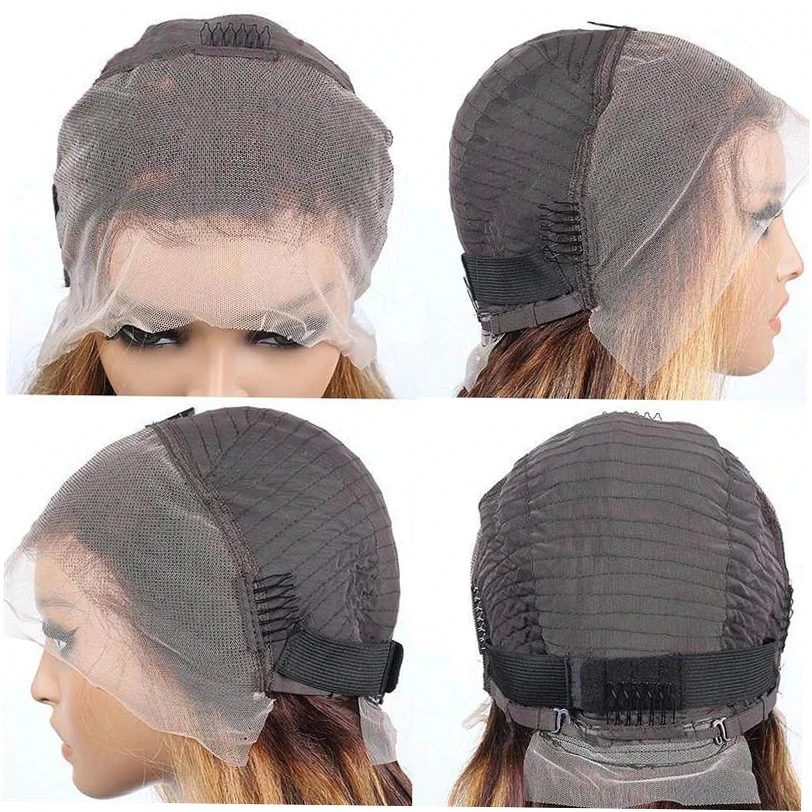
A glueless install suits thin mesh better than glue does, because nothing gets peeled off the base. Fit the cap, trim the lace in small stages, and leave a millimeter of margin past the hairline instead of cutting flush. Press the edge with a damp cloth, fasten the straps, and let the mesh settle before styling.
On transparent lace you can be fairly aggressive with trimming and edge product. On HD, skip the gel-heavy melt and use something water-based and light. Keep hot tools off the knots entirely; heat plus fine filament equals permanent distortion, and there is no repair for that once it happens.
Washing, Storing, and Reinstall Rhythm
Wash both types in cool water with a sulfate-free shampoo, but handle HD like a silk scarf: no wringing, no brushing the hairline while wet, dry flat on a towel. Transparent mesh tolerates gentle detangling and a soft brush along the edge. Store both loosely in a satin bag rather than folding the frontal into a tight curve.
Reinstall rhythm is the real deciding factor. If you remove and refit every week, plan on a shorter lifespan from any ultra-fine base, and consider keeping one durable transparent unit for daily rotation. Most people I fit end up with two units: a thin one for occasions, a sturdier one for Tuesdays.
| Task | HD lace | Transparent lace |
|---|---|---|
| Washing | Cool water, no wringing, roughly every 8 to 10 wears | Cool water, gentle detangling, roughly every 6 to 8 wears |
| Drying | Flat on a towel, never hung by the frontal | Flat or on a wig stand |
| Edge product | Light water-based spray only | Spray, gel, or tinted mousse |
| Storage | Loose satin bag, no tight folding | Wig stand or bag |
| Heat contact | Avoid near knots entirely | Brief, low heat with a barrier |
| Reinstall interval | Stretch it out where possible | Weekly refits are tolerable |
Choosing Your Lace Without Wasting Money
Questions Worth Asking Any Seller
Before you pay, ask three things: what the base is made of, how fine it is, and whether they can send a close-up of a cut corner in natural light. A seller who answers all three quickly is usually selling something real. A seller who replies with adjectives instead of specifications is selling a photograph.
A Buying Order That Saves Money
Start with a small closure or a cheap frontal in the exact lace you are considering, wear it for a month, then decide. That single test tells you more about melt behavior, tearing, and tint response than any review section. Only after that should you commit to a full unit in the same mesh.
And keep perspective: lace choice shapes the hairline, but the install shapes the whole look. A patient melt on transparent mesh beats a rushed one on film-thin HD every time I have watched both side by side.
HD Lace vs Transparent Lace: Your Questions Answered
Is HD lace actually different from transparent lace, or is it just marketing?
Both exist, but the label is unregulated. Genuine HD is usually film lace, a much finer low-denier mesh; transparent lace is standard Swiss-style net that has not been tinted. The honest difference is thickness and tear resistance. Plenty of units sold as HD are simply finer transparent mesh, which is why you should ask for the denier or the trade name rather than trusting the listing.
Why does transparent lace look grey on my pale skin?
Because the mesh is untinted and slightly cool in tone, so it reads as a shadow against very light skin. Tint it with a foundation or lace tint matched to your jawline, apply thin layers, and set with powder. If the net is heavily brown-tinted, no amount of product will fix it on fair skin, so request undyed lace from the start.
Can I bleach the knots on HD lace without ruining it?
You can, but the margin is thin. Use a weak bleach, keep contact short, work in sections, and rinse before the mesh looks stressed. On film-thin bases the filament weakens fast, so test a corner first. If the knots are already light, leave them alone; invisible knots matter less once the lace is tinted and melted properly.
How long does each type last with glueless installs?
Glue-free wear is gentler on any base, but fine mesh still ages faster. Transparent units in weekly rotation often hold up for many months; film-thin HD under the same schedule tends to thin at the hairline sooner. Expect lifespan to depend more on how often you refit and how you wash than on the brand name on the box.
Is cheap HD lace from marketplaces worth trying?
Sometimes, with lowered expectations. Ventilating really fine lace is slow skilled work, so prices far below market usually mean standard mesh with a nicer label. Buy a small piece first, check the cut edge for the slight fray that genuine film lace shows, and treat it as a test rather than an investment.
Which lace should I pick if I reinstall my wig every week?
Transparent, almost every time. A medium Swiss-style net handles repeated trimming, refitting, and edge product without falling apart, and tinting closes most of the visibility gap. Save the ultra-fine HD for events, shoots, and short wear windows where the invisible hairline is doing the heavy lifting.
Do I need to tint HD lace the same way as transparent lace?
Usually less, but rarely none. HD tends to pick up the scalp beneath it, so a light powder or a thin layer of tint is often enough. Transparent mesh generally needs a full match, especially around the temples where light hits. Either way, build color in thin layers and check in daylight, not bathroom lighting.